
Athletes and Chiropractic Care in North York
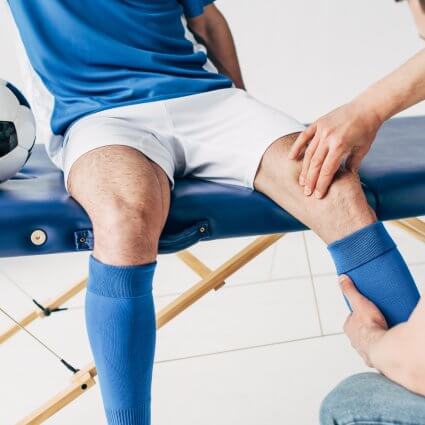 Athletes ask a great deal of their bodies. Whether you run, cycle, play golf, hockey, tennis or pickleball, train in the gym, or compete at a high level, repeated movement places specific demands on your joints, muscles and nervous system.
When pain or reduced movement begins to interfere with training, it is natural to focus on the area that hurts. At Chiropractic Health Centre, Dr. David Weyrauch takes a broader view. His first question is not only, “Where does it hurt?” but also, “What may have made this area vulnerable in the first place?”
This assessment-first approach is central to our Results Oriented Care™ philosophy. The goal is to understand how your body is functioning, identify factors that may be contributing to your concern whenever possible, and recommend care that is appropriate for you.
Looking Beyond the Painful Area
A pitcher may develop shoulder or elbow pain after repeated throwing. The throwing motion may be part of the explanation, but it may not be the whole explanation. Limited movement elsewhere, altered joint mechanics, muscle imbalance, previous injury or an inefficient movement pattern may be placing additional demand on the painful tissue.
The same principle can apply to a runner with recurring knee pain, a golfer who has lost rotation, a cyclist with persistent neck tension, or a hockey player whose hip repeatedly tightens. The painful area matters, but it should be considered within the way the entire body moves and adapts.
Rather than treating every athlete in the same way, Dr. David considers how the spine, joints, muscles and nervous system work together during movement. This helps create a more complete clinical picture before recommendations are made.
A Thorough Assessment Comes First
No two athletes move exactly alike, even when they participate in the same sport. Training history, previous injuries, posture, mobility, technique, recovery and daily activities may all influence how the body responds.
Depending on your individual presentation, the assessment may include:
- A detailed health, activity and injury history
- Posture and movement evaluation
- Joint mobility and muscle function testing
- Neurological and orthopaedic examination procedures
- Assessment of the spine and relevant extremity joints
- Review of previous imaging or reports when available
- Diagnostic imaging or referral when clinically indicated
The purpose of the assessment is not to make broad promises about performance or injury prevention. It is to determine whether chiropractic care is appropriate, identify relevant findings and develop individualized recommendations.
How the Nervous System Fits Into Movement
The nervous system helps coordinate balance, posture, muscle activation, reaction and movement. For that reason, neurological function may form part of a chiropractic assessment, particularly when an athlete reports altered coordination, recurring movement limitations or symptoms that do not appear to be explained by one local tissue alone.
We do not describe chiropractic care as “restoring” the nervous system or guaranteeing better athletic performance. Instead, we assess relevant aspects of neurological and musculoskeletal function so that care decisions are based on the individual athlete’s clinical findings.
Common Concerns Athletes Bring to the Clinic
- Neck or back pain associated with training or competition
- Shoulder pain or restricted movement
- Elbow and wrist concerns related to repetitive activity
- Hip tightness or reduced mobility
- Knee pain
- Ankle sprains, stiffness or instability
- Recurring muscle tension or movement restrictions
- Difficulty returning comfortably to a sport after injury

Different Sports, Different Demands
Running
Running involves repeated loading through the feet, ankles, knees, hips and spine. When one area moves less efficiently, another area may be asked to compensate. Assessment can help identify movement restrictions or other findings that may be relevant to recurring discomfort.
Golf
A golf swing requires coordinated movement through the hips, spine, shoulders and arms. Reduced rotation in one region may change how force is transferred through the swing and may contribute to discomfort elsewhere.
Hockey
Hockey combines acceleration, rotation, balance, contact and repetitive skating. Previous injuries and restricted movement can influence how an athlete loads the hips, knees, spine and shoulders.
Cycling
Cyclists maintain a sustained posture while repeating the same lower-body motion many times. Neck tension, back discomfort, hip tightness or knee pain may be related to several interacting factors, including mobility, positioning and training load.
Tennis and Pickleball
Serving, reaching, rotating and changing direction place repeated demands on the shoulders, elbows, wrists, spine, hips and knees. A whole-body assessment can help determine which findings may be relevant to the athlete’s symptoms.
Gym and Strength Training
Strength training depends on controlled joint movement, stability and technique. When mobility or control is limited, an athlete may compensate during squats, deadlifts, presses or other exercises, increasing demand on another region.
What Care May Include
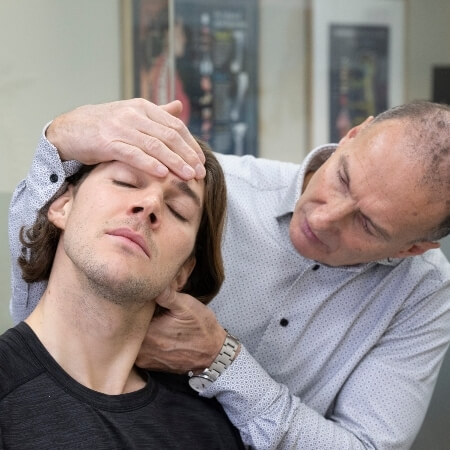
Care is based on the findings of the assessment, the athlete’s comfort level and the goals discussed with Dr. David. When clinically appropriate, chiropractic care may include manual or instrument-assisted techniques, soft-tissue approaches, mobility work and individualized home recommendations.
Athletes may also receive stretches or exercises related to the clinical findings. Sport-specific coaching, conditioning and return-to-play decisions remain within the roles of the athlete’s coach, trainer, physician or other qualified healthcare professionals. With the patient’s consent, communication with other members of the care team may be appropriate.
Reassessment Is Part of Results Oriented Care™
Results Oriented Care™ does not mean promising a particular result. It means that care begins with a thorough assessment, recommendations are individualized, and progress is reassessed rather than assumed.
Regular reassessment may help determine whether movement or function is changing, whether the current approach remains appropriate, and whether referral or additional evaluation should be considered.
A Meaningful Moment From the Practice
One young pitcher came in before a weekend tournament because he was not feeling his best on the mound. After his visit, he returned to play and later helped his team win with both his pitching and a walk-off grand slam. His family shared the video with the clinic, and it remains a meaningful memory for Dr. David.
This individual story is not a promise that chiropractic care will produce the same outcome for another athlete. What it does reflect is Dr. David’s genuine interest in understanding each athlete, supporting appropriate care and helping people participate in the activities that matter to them.
Helping You Stay Active
You do not need to be a professional athlete to deserve a thorough assessment. If pain, stiffness or reduced movement is affecting your training or enjoyment of sport, Chiropractic Health Centre can assess what may be contributing and discuss whether chiropractic care is suitable for your individual needs.
Contact us to schedule a visit and learn more about our Results Oriented Care™ approach.
Restore your body’s capacity to heal itself naturally.
